
Natural support for memory, focus and cognitive wellness, built around a 10-ingredient botanical and metabolic-support formula. Simple daily use, stimulant-free positioning, and multi-bottle options for adults who want a steady brain-wellness routine.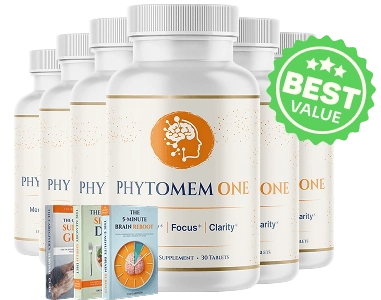
Discover a complete brain support system rooted in dual-defense science. This 10-in-1 neuro-essential formula is meticulously built for lasting mental clarity, sharp recall, and robust resilience. Address cognitive hurdles and embrace full-spectrum brain wellness today.
In this review, we’ll examine what Phytomem One is, its ingredients, potential benefits, pricing, and whether it may be worth considering.

Choose Your Phytomem One
What Is Phytomem One?
Phytomem One is a dietary supplement formulated to support:
- Memory retention
- Mental clarity
- Focus and concentration
- Brain health
- Cognitive performance
According to the manufacturer, the formula contains a blend of botanical extracts and natural compounds designed to help protect brain cells from oxidative stress while supporting healthy cognitive function.
Understanding the “Toxic Brain Shards” Marketing
One reason Phytomem One has attracted attention is its marketing campaign describing “toxic brain shards” or environmental contaminants affecting memory.
Currently, there is no widely accepted medical diagnosis known as “toxic brain shards.” The phrase appears to be a marketing term rather than an established scientific condition. Some promotional materials connect this concept to microplastics and environmental toxins, but the relationship between these factors and cognitive decline remains an area of ongoing scientific research rather than settled fact.
Consumers should interpret these promotional claims cautiously and avoid viewing the supplement as a treatment for memory disorders.
Key Ingredients
Phytomem One includes several ingredients commonly found in cognitive support supplements, including:
- Saffron Extract
- Berberine HCl
- Fucoxanthin
- Fucoidan
- Oleuropein
- Ceylon Cinnamon
- Corosolic Acid
- Kudzu Flower Extract
- Morosil®
- Xylitol
These ingredients are promoted for antioxidant support, metabolic health, and cognitive wellness, although the effectiveness of the complete formula has not been confirmed through large independent clinical trials.
Claimed Benefits
According to promotional materials, Phytomem One may help:
- Improve memory recall
- Reduce brain fog
- Enhance concentration
- Support healthy brain metabolism
- Provide antioxidant protection
- Promote long-term cognitive wellness
As with most dietary supplements, individual results can vary, and these benefits have not been evaluated as treatments for diseases such as Alzheimer’s disease or dementia.
Who Might Consider It?
Phytomem One is marketed toward adults who experience:
- Occasional forgetfulness
- Difficulty concentrating
- Mental fatigue
- Brain fog
- Age-related concerns about memory
People with diagnosed neurological conditions or rapidly worsening memory problems should consult a healthcare professional rather than relying solely on supplements.
How to Use
The manufacturer recommends taking the supplement daily according to the directions on the product label.
For best results, supplementation should be combined with:
- Quality sleep
- Regular physical exercise
- Healthy nutrition
- Stress management
- Mental stimulation
Pricing
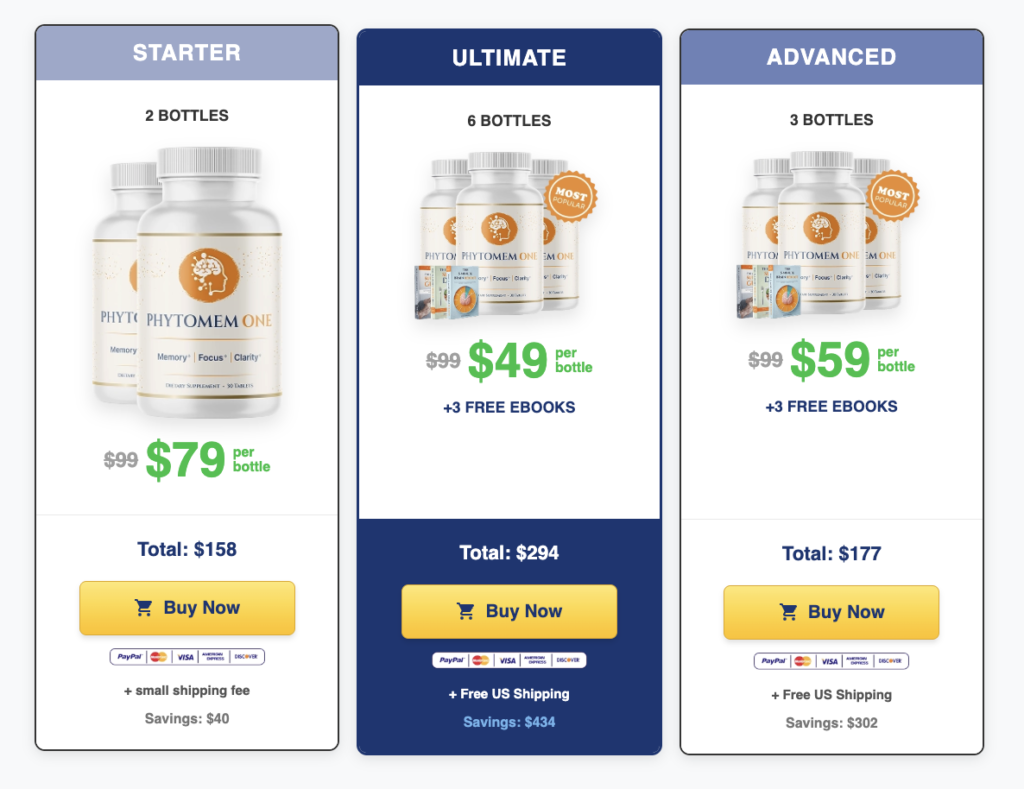
The official website commonly offers multiple purchasing options, including:
- 2-bottle package
- 3-bottle package
- 6-bottle package
Larger bundles generally reduce the cost per bottle and may include free shipping and bonus digital guides. Prices and offers can change over time.
Pros
- Natural botanical ingredients
- Stimulant-free formula
- Multiple cognitive-support ingredients
- Money-back guarantee offered by the seller
- Manufactured in an FDA-registered, GMP-certified facility according to promotional materials (this does not mean the supplement itself is FDA-approved).
Cons
- Marketing claims may exaggerate scientific certainty.
- Limited independent clinical evidence on the complete formula.
- Results likely vary between individuals.
- Not intended to diagnose, treat, cure, or prevent disease.
Is Phytomem One Worth Trying?
Phytomem One may appeal to adults looking for nutritional support for memory and focus. Its ingredient list contains several compounds that have been individually studied for potential roles in brain or metabolic health.
However, consumers should maintain realistic expectations. No supplement has been conclusively shown to reverse age-related cognitive decline or cure memory disorders, and phrases like “Toxic Brain Shards” should be viewed as marketing rather than established medical terminology. For persistent or worsening memory issues, professional medical evaluation is important.
Frequently Asked Questions
Is Phytomem One FDA approved?
No. Dietary supplements are not FDA-approved before marketing. Promotional materials state that the product is manufactured in an FDA-registered facility that follows Good Manufacturing Practices.
Does Phytomem One cure memory loss?
No. There is no reliable evidence that it cures memory loss, dementia, or Alzheimer’s disease.
Are there side effects?
Natural supplements can still cause side effects or interact with medications. People with medical conditions, or those who are pregnant, breastfeeding, or taking prescription drugs, should consult a healthcare professional before use.
How long before results appear?
The manufacturer notes that results vary depending on factors such as age, health status, and consistency of use.
Final Verdict
Phytomem One is a brain health supplement positioned as a natural option for supporting memory, focus, and cognitive wellness. While its formula includes several recognizable botanical ingredients, many of its headline marketing claims—particularly around “Toxic Brain Shards”—should be interpreted cautiously because they are not established medical concepts.
